- ProLine™ Commercial-Grade Motors
- Leaf Bag, NanoFilters, & More Included
- 3 Year Warranty
- Built for Inground & Above Ground pools up to 50ft
Free FedEx Shipping & 30 Day Risk-Free Trial
Your cart is empty
Free shipping on robots to contiguous 48 states
Our Pool Experts are here to assist you
Mon-Fri 8am-5:30pm CST
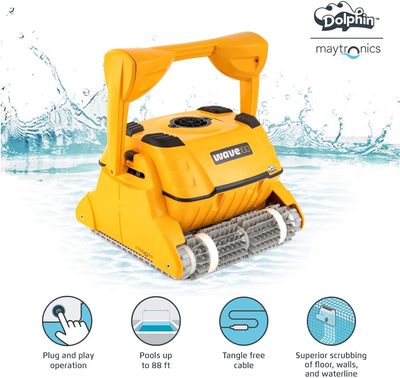
The all-new Aquabot Rapids 2000 cleans your pool floor, walls, and waterline. With an included caddy and remote control, cleaning has never been easier.
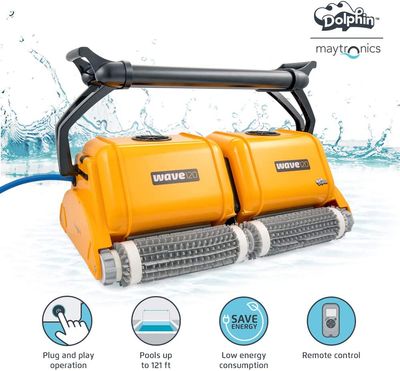
The Aquabot Rapids 2500 robotic pool cleaner paves the way with waterline cleaning, remote control, and caddy. Clean like never before.
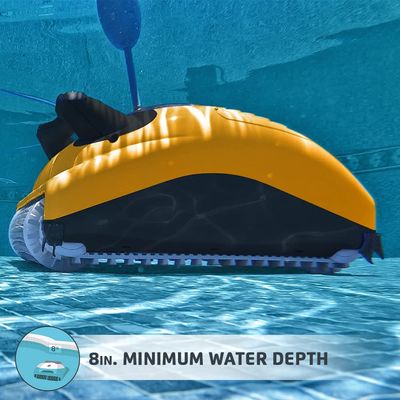
Designed for use in fountains, wading pools, and reflection pools, with the capability to function in water as shallow as 8 inches
Pollen is one of the most misunderstood pool problems. It looks like algae, behaves like dust, and requires ultra-fine filtration to actually remove. Every spring, pool owners mistake yellow pollen accumulation for an algae bloom—wasting time and chemicals on the wrong problem. The reality is simpler: pollen is a filtration challenge, not a chemical one.
Pollen particles are microscopic—typically 10 to 100 microns—which puts them well below the capture range of standard pool robot filters. Pollen also follows a frustrating cycle: it floats on the surface initially, passes through your skimmer, and then sinks to the bottom as it absorbs water. By the time it settles, it's mixed with other fine debris and nearly invisible until it accumulates into that telltale yellow film.
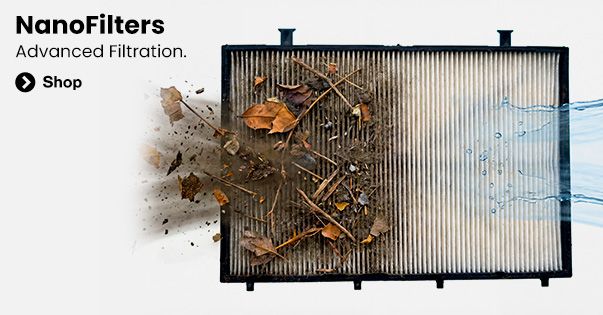
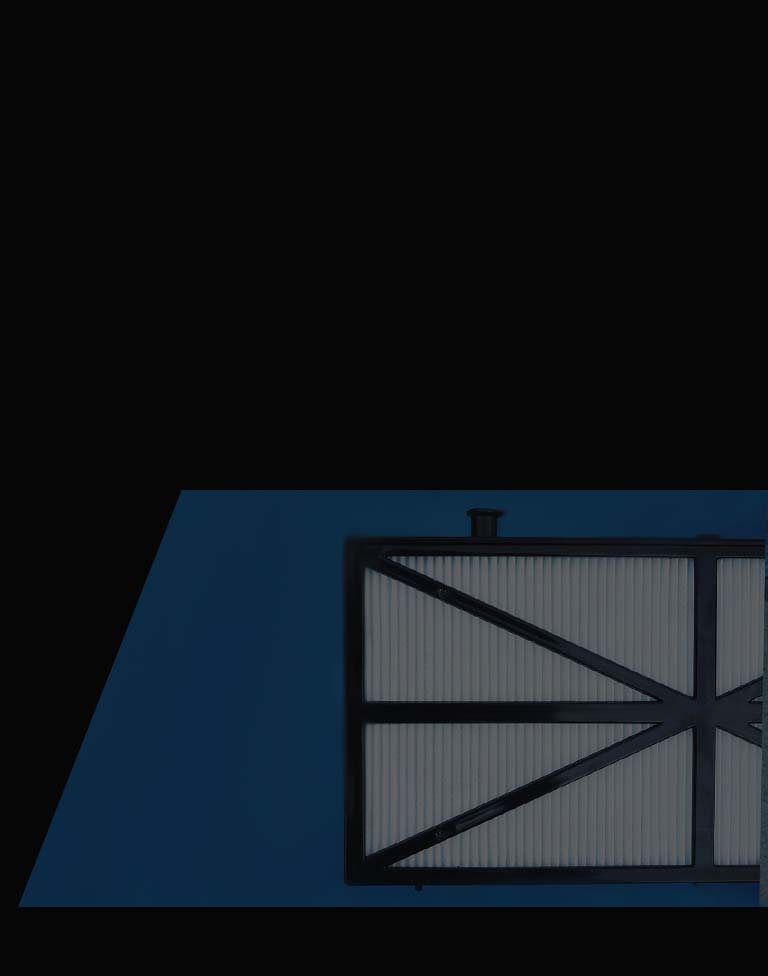
Standard mesh filters cannot capture pollen. The pore size is simply too large, and pollen particles pass straight through and recirculate back into the water. NanoFilters™ operate at the micron level—fine enough to trap pollen, fine dust, and other microscopic particles that make your water look cloudy even after running a standard robot. For pollen-heavy pools, NanoFiltration™ isn't optional; it's the only filter that works.
Learn About NanoFiltration™
Yellow dust on your pool surface or floor could be pollen or mustard algae. Here's the simple test: take a handful of the substance and rub it between your fingers. Pollen feels powdery and dissolves easily. Algae feels slimy and clings to surfaces.
You can also observe the behavior. Pollen tends to collect in streaks on the surface and settles to the bottom in a fine, even layer. It doesn't cling to walls the way algae does. If you disturb the bottom and it clouds up immediately, it's most likely pollen or fine dust. If it requires scrubbing to remove from the surface, it's algae.
The treatment is completely different: pollen requires fine filtration (NanoFilters™). Algae requires chemical treatment first, then filtration. Getting this right saves you time, money, and frustration.
During spring pollen season, the load is constant. Trees, grasses, and plants release pollen continuously for weeks, and every breeze carries more into your pool. A single cleaning session doesn't solve the problem because tomorrow brings a fresh layer. The only way to stay ahead of pollen is daily automated cleaning.
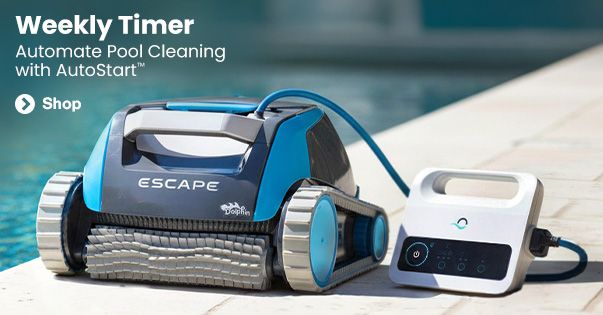
A robot with a programmable weekly timer runs every day without manual intervention. Set it at the beginning of pollen season and let it handle the daily load autonomously. By the time you check the pool, it's already clean. This is the difference between fighting pollen daily and never thinking about it at all.
Your pool skimmer handles surface-level pollen—the fresh layer floating on top. But as pollen absorbs water throughout the day, it sinks below the skimmer's reach and settles on the pool floor. Once it's on the bottom, your skimmer is useless.
The robot handles the settled particles. It vacuums the floor, scrubs surfaces, and filters the collected material through its onboard filtration. Skimmer and robot work as a team: the skimmer catches floating pollen before it sinks, and the robot cleans up everything that makes it past the surface. Both are necessary for pollen-heavy pools; neither alone is sufficient.
It's rarely just pollen. In a real backyard, pollen mixes with wind-blown dust, fine dirt, small organic debris, and whatever else the breeze carries in. The combination of particle sizes means you need a robot that handles both fine and coarse material without clogging on one while missing the other.
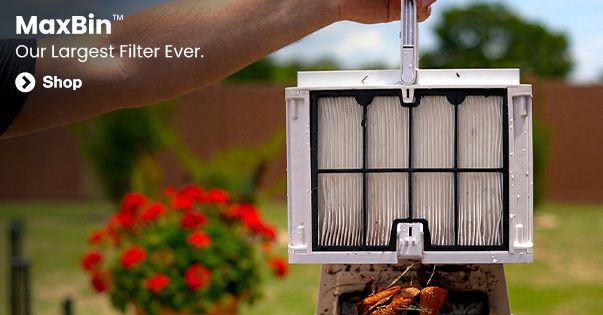
Robots with the MaxBin™ provide enough capacity for mixed debris, and NanoFilters™ capture the ultra-fine pollen that standard mesh misses. For pools dealing with heavy mixed loads, the Dolphin Premier's Multi-Media™ filter swap system lets you match the filter to whatever your pool is throwing at you that week.
Expert-selected pool robots for pollen and ultra-fine particles. Free shipping & 30-day risk-free trial on every model.
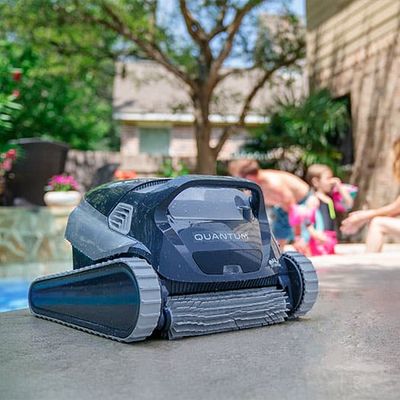
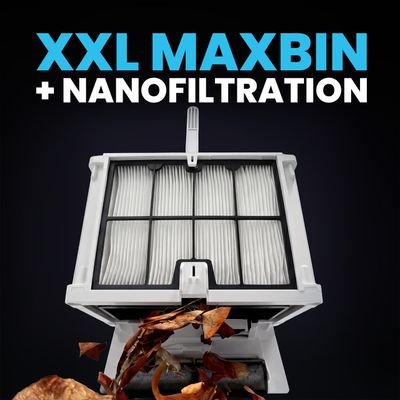
The Dolphin Quantum is the best overall choice for pollen-heavy pools. NanoFilters™ come included—no upgrade required—capturing microscopic pollen particles that standard filters miss entirely. The XXL MaxBin™ provides ample capacity for daily cycles during peak season, the HyperBrush™ scrubs settled pollen from surfaces, and the weekly timer automates everything. Set it and forget it all spring.
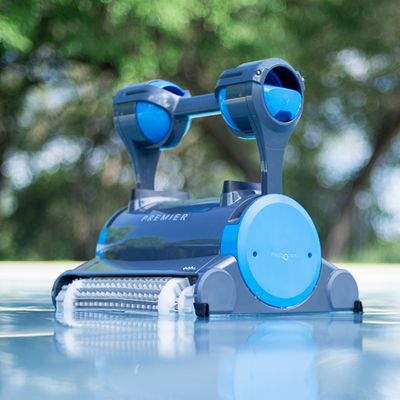
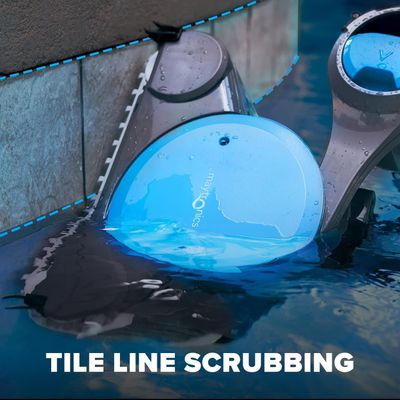
Shop Dolphin QuantumWhen pollen combines with leaves, dirt, and other debris, the Dolphin Premier's Multi-Media™ system handles everything. Swap between NanoFilters™ for fine pollen capture and the oversized leaf bag for heavy loads. Commercial-grade triple motors, waterline cleaning, a 60ft anti-tangle swivel, and a 3-year ProLine™ warranty make this the ultimate pool robot for mixed debris environments.
Shop Dolphin Premier
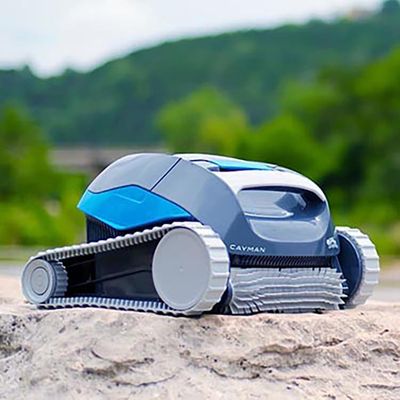
The Dolphin Cayman with optional NanoFilters™ is an excellent entry point for pollen management. Wall climbing, HyperBrush™ scrubbing, and a weekly timer deliver automated daily cleaning at a budget-friendly price. Add NanoFilters™ as an accessory to capture the fine pollen particles that standard mesh misses. Perfect for smaller to mid-sized pools during spring season.
Shop Dolphin CaymanPollen particles range from 10 to 100 microns—microscopic by pool debris standards. Standard mesh filters on most robotic pool cleaners have pore sizes of 150–200 microns, which means the majority of pollen passes straight through and recirculates. You run the robot, the filter looks clean, but the yellow film returns immediately because the pollen was never actually captured. NanoFiltration™ solves this by capturing particles at the micron level—the only effective filtration technology for pollen in a pool robot.
Dealing with other debris types? See our guides for leaves, dirt, sand, and algae. Micron-size pollen requires NanoFiltration™ on ProLine™ and compatible Dolphins; spring mixes with leaves or dust may call for Multi-Media™ as well. Large pools collect pollen across more surface area—daily automation pays off.
Yes, but only with the right filter. Standard mesh filters cannot capture pollen particles. You need a robot with NanoFiltration™ like the Dolphin Quantum (included) or Dolphin Cayman (optional upgrade) to effectively remove pollen from your pool.
Rub it between your fingers. Pollen feels powdery and dissolves. Algae feels slimy and clings to surfaces. Pollen settles in an even layer on the floor; algae attaches to walls and requires scrubbing to remove. The treatment is different: pollen needs fine filtration, algae needs chemical treatment first.
Daily. Pollen enters your pool continuously during spring. A single weekly cleaning cannot keep up. Use the programmable weekly timer on your Dolphin robot to automate daily cycles throughout pollen season.
Your robot's filter is likely too coarse to capture pollen. Standard mesh filters have pore sizes of 150–200 microns, while pollen particles are 10–100 microns. The pollen passes through the filter and recirculates. Switching to NanoFilters™ solves this immediately.
No. Pollen is not a living organism and doesn't require chemical treatment. It's a physical filtration problem. A robot with NanoFilters™ removes pollen mechanically. Save your shock treatment for actual algae blooms.
Partially. Your skimmer catches floating pollen on the surface, but as pollen absorbs water it sinks below skimmer reach and settles on the floor. A robotic pool cleaner handles the settled particles that your skimmer can't reach.
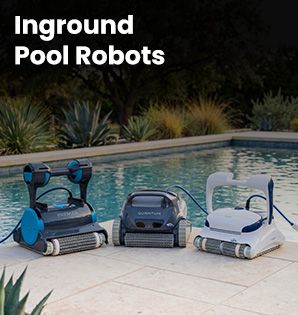
Clean and reach the dirtiest part of your swimming pool. Found on only the top models, this is a feature you'll need if you are an inground pool owner.
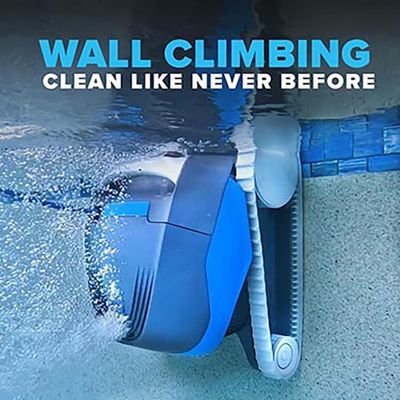
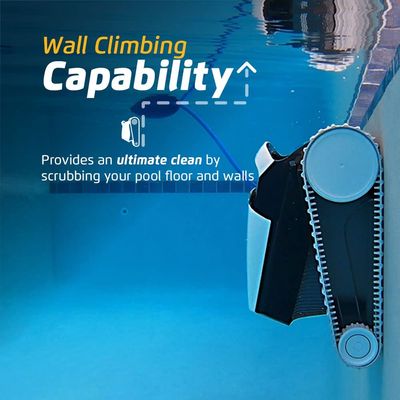
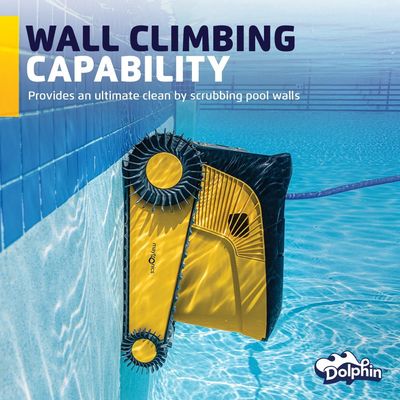
Wall climbing is partial wall cleaning. These models do not clean the waterline, but still have excellent cleaning ability.
Schedule your robot to automatically clean every day, two days, or three days.
With a no-tangle swivel, the robot can travel freely throughout your pool without knotted cords.
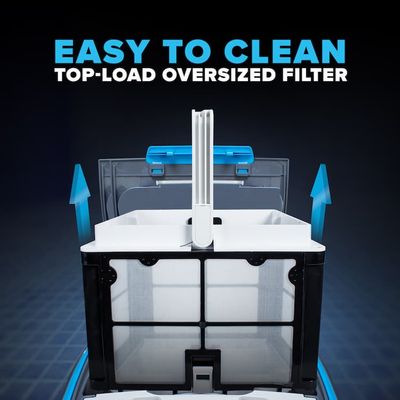
The larger and easier to clean MaxBin™ is a 2nd gen update to the standard filters. Cleaning a pool robot filter has never been easier.
Read About MaxBin™ →
Clean small particles that the standard filter misses. This filter cleans deeper and with more precision than any other filter.
Premier's exclusive MultiMedia™ includes more filters than any other Dolphin: fine filter, NanoFilter™ + oversized leaf bag + exclusive disposable bag option.
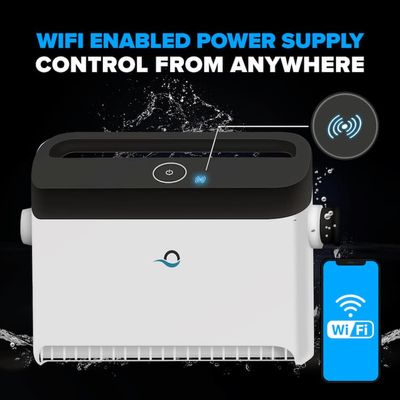
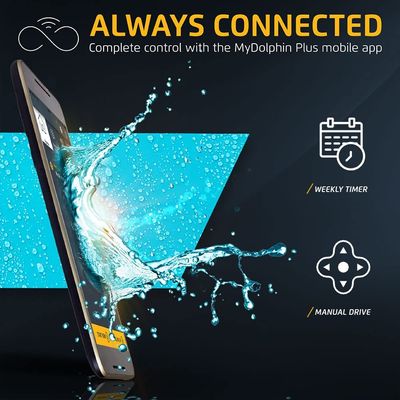
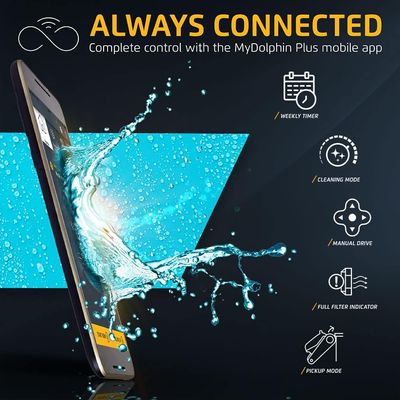
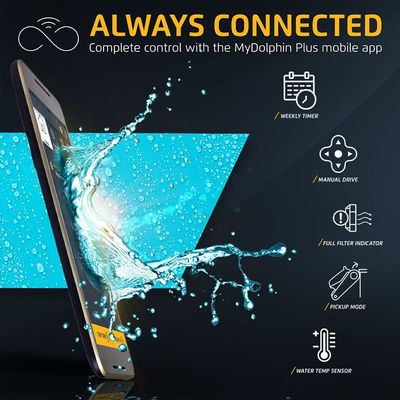
Manually control, schedule, and read advanced stats about each clean right from Sigma's app.
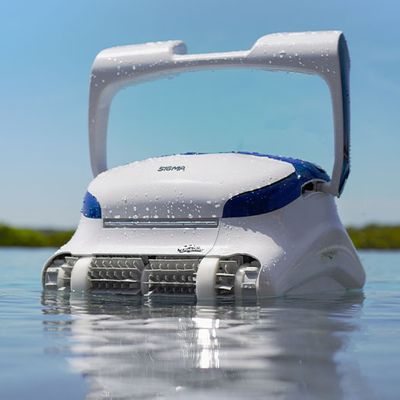
Advanced gyroscopic sensors allow Sigma to clean deeper than any other pool robot.
Premier's real-time filter tracking, Media-Alert™, let's you know when it is time to clean the onboard filtration.
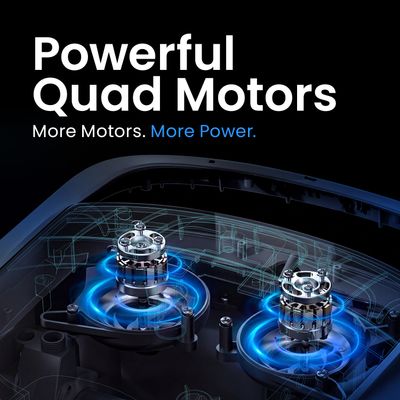
Built on the ProLine™, these motors are larger and boast more power than any other Dolphin robot.
Expert guides on pool robots, filters, and features—what to know before you buy and how to get the most from your cleaner.