















Troubleshooting · Cleaning Performance
Why isn't my Dolphin cleaning the pool properly?
Short answer: Check the filters, clear debris blockages, verify water conditions and cable reach, and match the filter and brush to your pool.
Unplug the power supply, clean the filter, and check for trapped debris before starting another cleaning cycle.
Based on Maytronics support, updated 2026-04-29, rewritten by Poolbots' pool experts. Parts that fix it are below.
The fix
Step by step.

If your Dolphin is leaving debris behind or missing areas it used to clean, work through these checks.
Check the water chemistry and temperature

Check your pool water against these ranges:
- Alkalinity: 80-120 ppm
- pH: 7.2-7.6
- Calcium hardness: 150-250 ppm
- Chlorine: 1.0-3.0 ppm
- Cyanuric acid: 30-50 ppm
- Algaecide: 30-50 ppm
Keeping the water within these ranges supports cleaning performance and helps protect the robot's lifespan. Weather, swimmers' body chemistry, and other factors can change water chemistry, so test it regularly.
Water temperature should be between 43°F and 95°F. If the robot has trouble climbing, check that the temperature is above 59°F. Colder water can make climbing harder.
Address missed areas and deep-end problems
For a spot the robot repeatedly misses, place it in that area at the beginning of the cleaning cycle.
If it gets stuck in the deep end, replacing the back brush with a Combined Brush or Wonder Brush may help. This option depends on the model. Chat with Poolbots' pool experts or call to confirm whether either brush is suitable for your robot before making a change.
Match the filter to the debris
The type of debris determines which filter to use.

For small particles such as sand and dirt, use ultra-fine filters. If your model did not include them, they are available separately. Poolbots sells replacement filters, and Poolbots' pool experts can help you select filters for your model.

For larger debris, including leaves and other tree foliage, use fine (net) filters.
For sticky, algae-like debris, ask Poolbots' pool experts about having a pool technician assess it and recommend the appropriate treatment.
After a chemical shock treatment, keep the robot out of the pool for at least 24 hours. Before putting it back in, also confirm that the chemical levels have returned to normal.
For a heavily littered pool, run consecutive cleaning cycles and clean the filter after every cycle.
Clean and inspect the filters
Clean the filter after each cleaning cycle to help prevent clogs. Follow the filter cleaning instructions.
Use fine filter panels for leaves, bugs, and other large debris. Choose ultra-fine filter panels for dust, dirt, and sand.
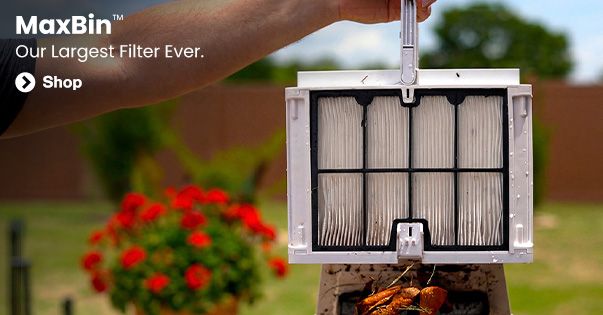
Check that the filters are not clogged and that debris is not trapped elsewhere in the robot. Blockages can reduce suction and keep the robot from picking up debris properly.
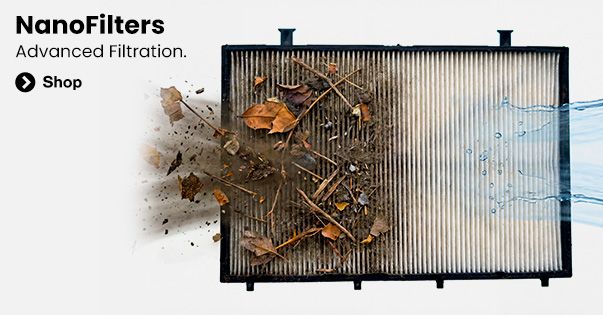
Replace the filter panels if they no longer rinse back to white or if debris remains stuck to them. Poolbots' pool experts can help you choose replacement filters.
Check for debris inside the robot
Impeller
See the impeller cleaning instructions.
- Disconnect the power supply from the electrical outlet first. Use a Phillips screwdriver for this work, not a power drill.
- If debris is trapped in the impeller, open it, clear out the debris, and reassemble it.
Filter non-return valve
Inspect the non-return valve, which is the opening at the bottom of the filter, or the small black pouch attached to it. Clear away any trapped debris.
Rapid drain flap
If your model has a rubber rapid drain flap on the back, check that it is securely in place.
Brushes
Inspect the PVC brushes for tears, wear, or other visible damage. Replace worn or damaged PVC brushes.
If the brushes have white climbing rings, check that the rings are still white and have not flattened or become damaged. Replace climbing rings that show wear or damage.
Tracks
Check that the tracks fit snugly and have no damage or discoloration. Replace loose or discolored tracks, and check that the pool chemistry is within the ranges listed above.
Poolbots sells replacement parts. Contact Poolbots' pool experts by live chat or phone for help selecting brushes, climbing rings, or tracks for your robot.
Handle debris on steps, ledges, and tanning shelves
Dolphin robots are not designed to clean steps, stairs, or ledges. Brush debris from the steps down onto the pool floor so the robot can collect it.
The robot needs to be submerged in at least 35 inches of water to work properly.
If debris collects in the seam of a steep slope, brush it onto a flat surface where the robot can reach it.
Check the blue cable's reach
Put enough blue cable in the water for the robot to reach every part of the pool. The robot's cable must also be long enough to cover the entire pool.
Measure between the pool's two farthest corners to estimate how much blue cable is needed. For a pool longer than 30 feet, use a robot with a 60-foot cable.
Match the brushes to the pool finish
Check that your robot's brush type is suitable for your pool's coating.

A PVC brush is the best match for PVC, concrete tile, concrete, or gunite coatings.

A Combined brush is the best match for PVC, rough ceramics, fiberglass, or mosaic coatings. Remove the nylon before use.

A Wonder brush is the best match for smooth ceramic, stainless steel, or glass coatings.
For a different problem, browse the Dolphin troubleshooting FAQs.
Source: Maytronics support. Same steps and facts, rewritten for clarity; the videos and illustrations are Maytronics' own.
Replacement parts
Parts that fix this.
This answer comes down to filters. The exact part depends on the model: choose your robot and we open its parts list, or browse the category for every model.
Browse by category:Filters All genuine Dolphin parts →
Still need help?

