


















Some robots clean steps, but many struggle — steps are shallow, angled, and often outside a basic robot’s navigation. Robots with strong climbing, active brushing, and smart navigation handle broad steps and benches best. For narrow or tight steps, expect to give them a quick manual brush.
Why steps are tricky
Steps sit in shallow water at odd angles, and lightweight robots can lose traction there or simply not navigate onto them. Coverage varies a lot by model and by how wide and deep your steps are — a broad, deep entry bench is far easier for a robot than tight corner steps.
What helps a robot clean steps
- Strong drive and grippy climbing ability to get up onto the step face.
- Active scrubbing brushes to clean the tread, not just roll over it.
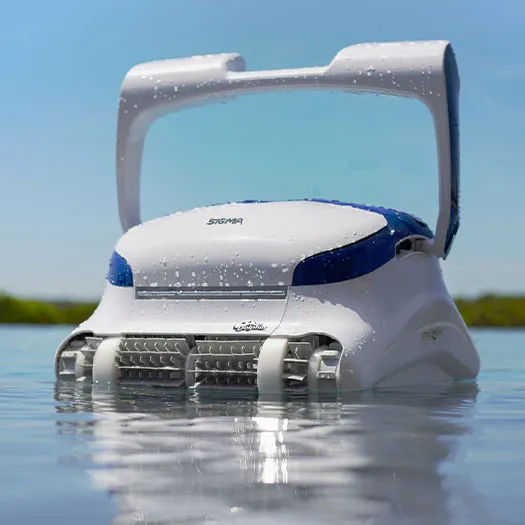
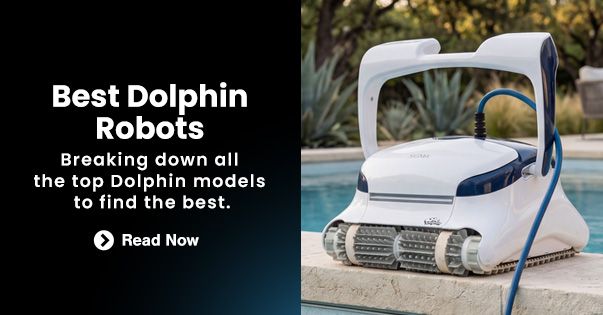
- Smart, mapped navigation so it actually targets the step area — like the Dolphin Sigma.
- Enough water depth on the step for the unit to stay submerged and keep suction.
Realistic expectations
Even a great robot may not perfectly clean narrow corner steps or a small spa step. A quick manual brush there once a week is normal and takes seconds. For big sun-shelf-style steps, see tanning ledge cleaning.
Choosing a step-capable robot
If step coverage matters to you, prioritize strong climbers with smart navigation — compare them on our robotic pool cleaners page or use the robot selector.