















The most common reasons a robot stops climbing are a clogged filter (less suction to grip the wall), worn or slick tracks/brushes, a slippery algae or scale film on the walls, or a model that was never designed to climb. Clean the filter and brushes first — if it still won’t climb, you likely need a dedicated wall-climbing robot.
Start with the filter and brushes
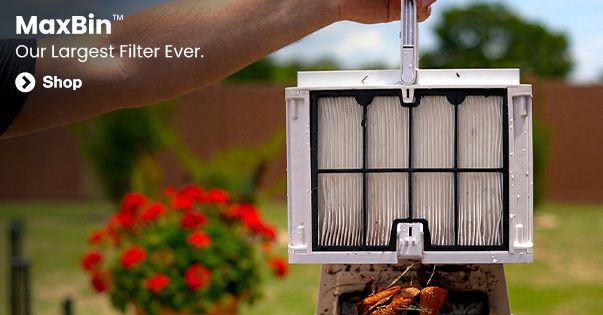
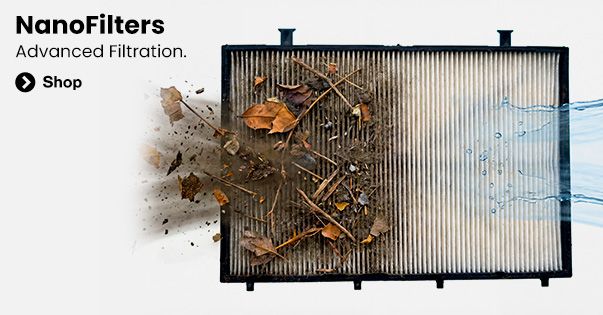
Wall climbing depends on two things: suction and traction. A filter packed with debris kills the water flow the robot uses to press itself against the wall, so a quick filter cleaning resolves this more often than anything else — clean it after every cycle. Next, inspect the brushes and tracks: glazed, worn, or debris-caked brushes slip instead of grip, and a brand-new rubber brush sometimes needs a cycle or two to break in.
Check the walls and the water
A thin layer of algae, scale, or biofilm makes walls slick, and no robot grips a slippery wall well. Brush the waterline by hand, balance your water chemistry, then run the robot again. Very cold water early and late in the season can also temporarily reduce brush grip.
Rule out air and cord drag
Trapped air makes a robot buoyant and unable to hold the wall — tilt it underwater to purge air before each run. A short or tangled cord can also literally pull the unit back down the wall; free the cord and consider an anti-tangle swivel.
Make sure it’s actually a wall climber
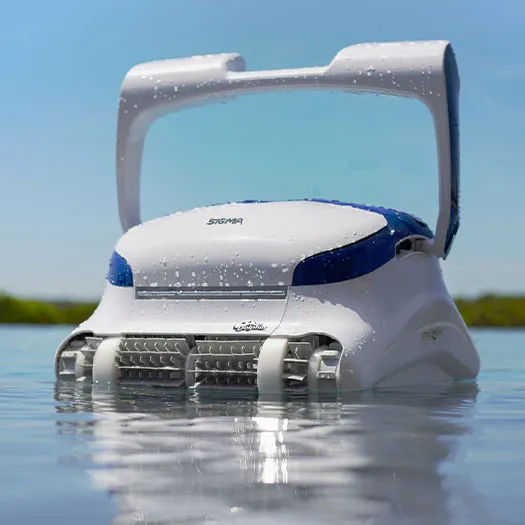
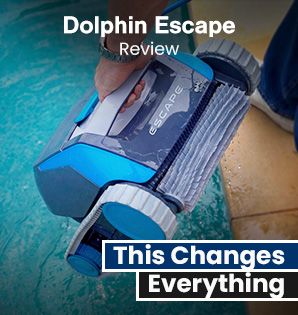
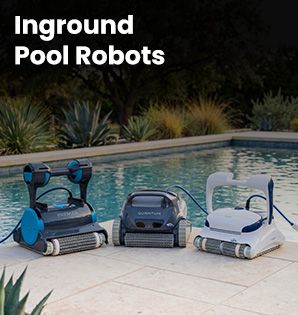
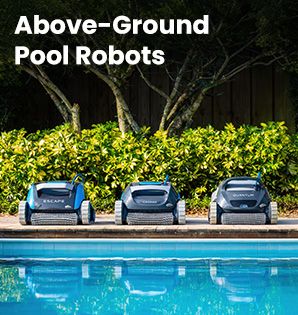
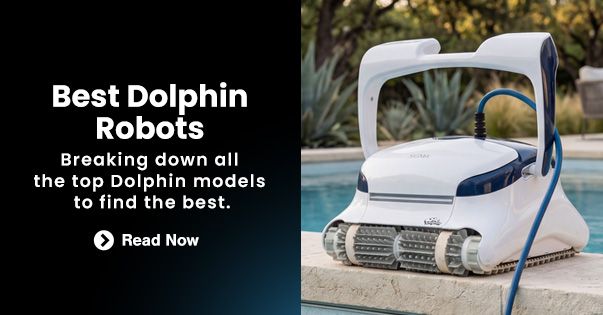
Not every cleaner climbs. Many entry-level, floor-only models simply aren’t built to scale walls, and no amount of cleaning changes that. Robots engineered for full wall and waterline climbing, like the Dolphin Sigma, use active brushing and precise navigation to scrub floors, walls, and the tile line every cycle. Compare climbers on our robotic pool cleaners page or see the best pool robots of 2026.